

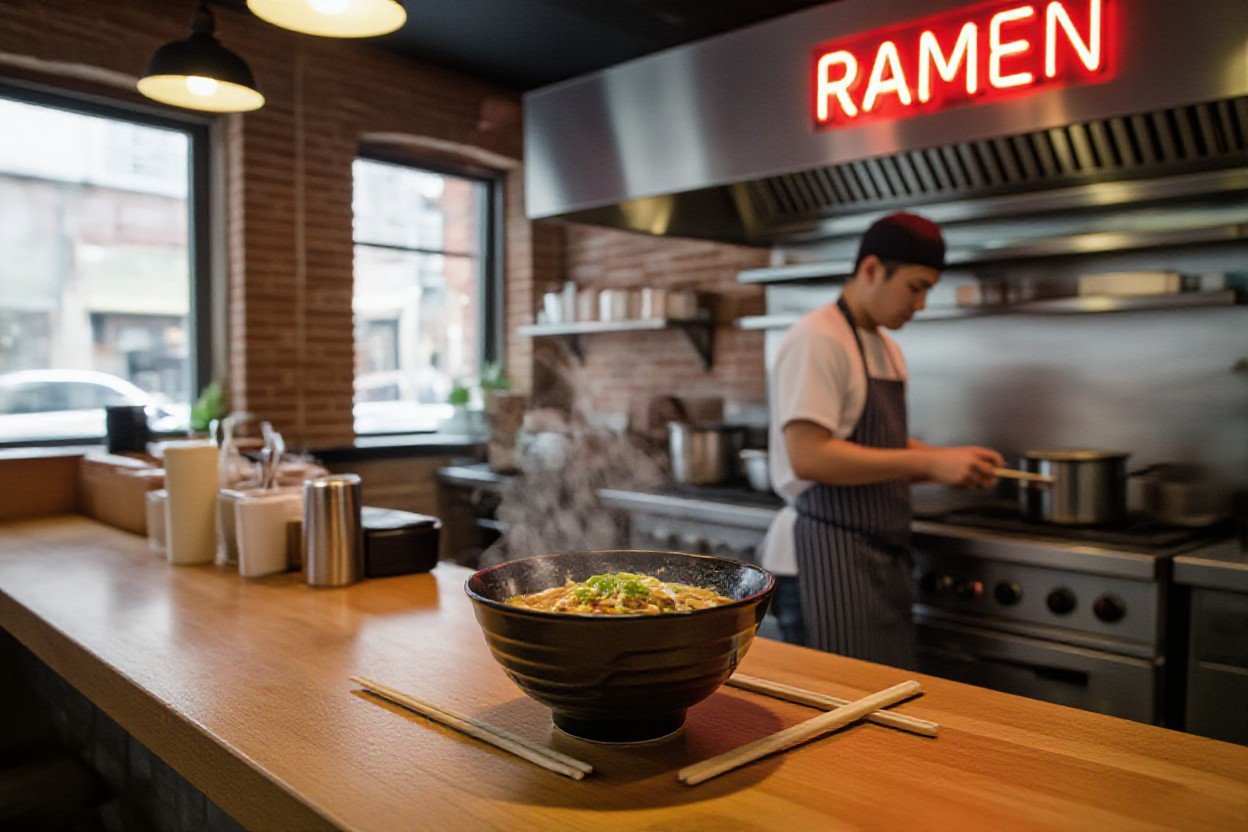
Most evenings my work as a travel photographer and storyteller pulls me toward steam-filled ramen stalls across New York, and I guide you to the neighborhoods, chefs, and signature bowls that deserve your appetite and lens; along the way I’ve learned patience, composition, and how travel refines taste and vision, so you can find the most honest ramen and photograph moments that tell your own story.
Overview of Ramen
I treat ramen in NYC as a field study where technique, history, and neighborhood converge; I track four dominant broths-shoyu, shio, miso, tonkotsu-and spot tsukemen variations too. My camera catches texture while my palate rates noodle chew and broth depth, and I use those notes to guide you toward bowls that balance tradition and local creativity.
History of Ramen
I follow ramen from Chinese wheat noodles to postwar Japan’s industrial bowls, then to New York’s dining scene: the city saw steady growth from the 1980s and a boom after the 2000s, when chefs like David Chang and shops such as Momofuku reshaped expectations; I document how each decade changed toppings, tempo, and presentation across boroughs.
Types of Ramen
I categorize ramen by broth, noodle, and topping profiles: shoyu (soy), shio (salt), miso (fermented soybean), tonkotsu (pork bone), and tsukemen (dipping). You’ll note differences in broth opacity, cooking time for noodles, and common toppings like chashu, ajitama, and menma, which help you pick a bowl that matches your taste.
- Shoyu: clear, soy-forward, often lighter noodles
- Shio: clean, saline-driven, subtle aromatics
- Miso: rich, umami-forward, thicker broth
- Tonkotsu: creamy, long-simmered pork bone base
- Recognizing tsukemen requires dipping thicker noodles into concentrated broth for an intensified bite.
| Shoyu | Momofuku Noodle Bar – East Village |
| Shio | Minca – East Village |
| Miso | Ippudo – Midtown/Flatiron |
| Tonkotsu | Totto Ramen – Hell’s Kitchen/Midtown |
| Tsukemen | Ivan Ramen Slurp Shop – Lower East Side |
I’ve documented how shops emphasize one element: some focus on pork emulsification, others on straight-bite noodles or fermented depth; I photograph ramen to capture steam, sheen, and texture, then I map those images to flavor notes so you can find bowls by trait rather than hype.
- I note cook times: 90 seconds to 4 minutes changes noodle texture dramatically.
- I track broth clarity: clear vs. opaque indicates cooking method and fat content.
- I compare toppings: chashu styles, marinated egg timing, and aromatic oils.
- I log service style: counter-only shops vs. full-service restaurants influence pacing.
- Recognizing these details helps you choose a ramen house that aligns with your palate and photo goals.
Criteria for Choosing a Ramen House
I judge ramen houses like I compose a photograph: balance, light, and detail. I look for a bowl where broth depth, noodle texture, tare balance, and toppings align consistently; you should expect a NYC price range of $12-$18 for a genuine bowl and steadiness across visits. I also factor in seating, daylight for photographing the bowl, and how the kitchen handles repeat orders-consistency and atmosphere matter as much as taste.
Broth Quality
Broth is the anchor: I assess clarity, fat content, and aromatic layering-tonkotsu often simmers 12-18 hours for collagen and creaminess, while chicken paitan and clear shoyu stocks rely on shorter, focused reductions. I test salt through the tare and watch how the broth clings to noodles; a bowl that coats evenly and evolves sip to sip signals skilled stockcraft, as I’ve seen in both neighborhood shops and specialized NY spots.
Noodle Texture
Noodles define rhythm: I prefer fresh noodles with a springy “koshi” bite-thin (≈1.2-1.4 mm) for silky broths, medium (≈1.5-2.0 mm) for shoyu, and thicker or curly (≈2.0-2.5 mm) for miso and hearty bowls. You can tell quality by how the noodle snaps between chopsticks, how kansui influences chew, and whether the noodle holds broth without turning mushy during a 4-6 minute meal.
I time a test slurp to judge cook: thin strands often need 30-60 seconds blanching, while thick noodles take 90-150 seconds; I note chewiness, bite retention, and slurry adherence. In NYC, shops that hand-cut or source fresh noodles usually deliver better mouthfeel than mass-produced dried ones, and I pair thicker noodles with richer broths when I’m shooting contrast in my photos.
Top Ramen Houses in New York
Popular Locations
In Manhattan I regularly return to Ippudo (East Village), Momofuku Noodle Bar (East Village), Ivan Ramen (Lower East Side) and Totto Ramen (Hell’s Kitchen), while in Queens I explore Flushing’s smaller shops. I track light, queue times and neighborhood vibes-weekend waits of 20-45 minutes are common, so I recommend visiting between 2-4pm to avoid lines. You’ll find the richest bowls clustered across five neighborhoods that consistently reward both your palate and your camera.
Unique Offerings
I hunt for signature dishes: Ivan Ramen’s shio with house-made noodles, Ippudo’s Akamaru Modern tonkotsu, Momofuku’s rotating, ingredient-driven broths and Totto’s concentrated chicken paitan; several spots serve tsukemen and vegetarian ramen too. I’ve compared five different styles side-by-side to train my palate and to show you how tare, fat and noodle cut define each house.
Broth tech matters: many chefs simmer bones 12-18 hours for depth, and noodle texture-thick, wavy, or ultra-thin-changes the eating rhythm. I photograph ajitama sheen, chashu marbling and steam patterns to tell each maker’s story; through that practice I learned patience, pacing and how listening to a cook reveals lessons useful in travel and photography alike.
Dining Experience
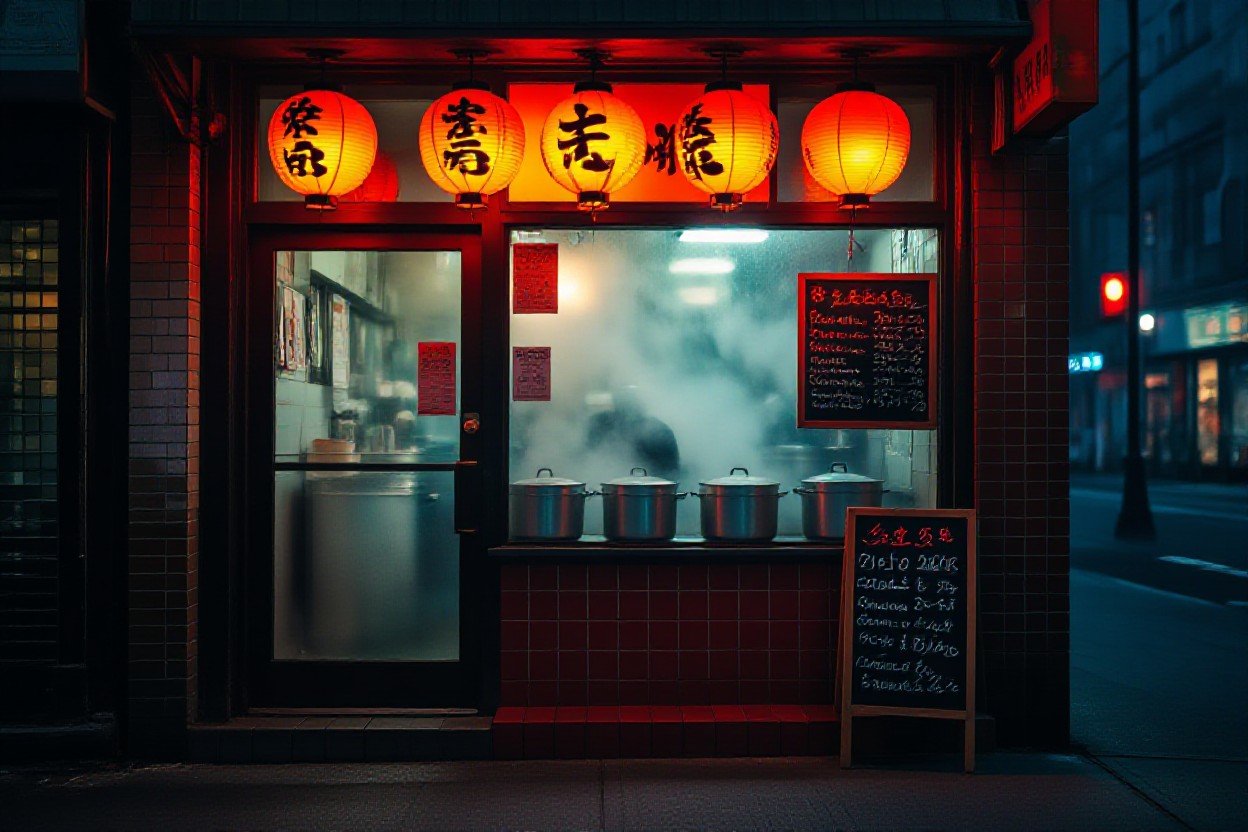
When I slip into a ramen counter in the East Village or Bowery, my senses and camera wake at once: the steam, the brittle tare aroma, the clack of chopsticks. Often the wait is 20-45 minutes on weekends, so I scout lighting and angles first – a 35mm at f/1.8 at 1/60s and ISO 1600 usually captures steam and depth without flash. You’ll notice how small gestures from chefs-brushing tare, slicing chashu-become the moments I chase in both taste and frame.
Ambiance and Service
Counter seating of 8-12 creates intimacy; servers move with practiced speed, turning tables in 30-50 minutes during peak times. In several shops you order from a vending machine or at a ticket window, which shortens interaction but heightens the ritual. I time my shots between the bowl’s arrival and your first slurp-about a 10-20 second window-to capture lacquered broth and sheen on noodles under low tungsten light.
Price Range
Most bowls fall between $12-$22 in Manhattan; add-ons like extra chashu run $3-$6 and soft drinks $2-$4. I typically budget $18-$30 per person including tax and a 15-20% tip if service is table-side. You’ll find weekend crowds push prices slightly higher in touristy neighborhoods, while neighborhood joints often have weekday lunch specials under $12.
Neighborhood matters: in the East Village and Lower East Side expect $13-$18 for a solid tonkotsu; in Midtown or tourist hubs prices edge to $18-$25, and chef-driven concepts (specialty broths or tasting-style bowls) can reach $30-$40. I hunt lunch sets or ramen + small side combos to stretch my budget, and sometimes skip extras so I can photograph a second variation of the same bowl for comparison shots.
Customer Reviews and Recommendations
I scan Yelp and Instagram when narrowing my ramen list; when I visited Ippudo and Ivan Ramen, I found patterns in 400+ comments pointing to consistent broth depth and camera-friendly bowls. You’ll find that star ratings often correlate with wait times: 4.5+ spots usually mean 30-60 minute lines on weekends. As a photographer I weigh texture, steam, and plating noted by reviewers to choose ramen that will both taste and photograph well.
Social Media Feedback
I follow hashtags like #NYCRamen and tracked over 1,200 posts in one month; community posts flag seasonal specials, bowl close-ups, and exact subway stops. You’ll see which shops stage their bowls for photos-glossy chashu or dramatic steam-and that helps me plan golden-hour alley shots or low-light interiors. When you’re deciding, scan recent reels and Stories for real-time crowd, noise level, and signature toppings photographers rave about.
Food Critic Opinions
I compare critics’ write-ups from outlets like Eater and The New York Times against grassroots reviews: critics often highlight technique-hours-long broth work or tare balance-while noting history and chef background. You’ll notice critics call out standout bowls (for example, Ivan Ramen’s inventive twists) and give context that reviewers omit, which helps me choose spots with both flavor depth and narrative for my photo essays.
I take critics’ technical notes-hours-long bone extraction, tare composition, noodle cut-to anticipate visual textures: collagen sheen, broth opacity, and noodle curl. You’ll find that knowing a bowl’s temperature and broth viscosity from a review changes my lens choice, aperture, and timing; for viscous tonkotsu I shoot tighter, for clear shoyu I favor wider context shots. Critics’ historical details also give me captions that elevate images into stories.
Tips for Visiting Ramen Houses
I time my ramen visits like I plan shoots: I arrive 20-40 minutes before peak service to avoid hour-long lines and to catch the staff at work. I carry cash and a compact camera; many small shops favor quick turnover and tight spaces, so I keep gear minimal. I request extra ajitama or chashu when the menu tempts me, and I always ask about spice levels. The small rituals-slurping, sharing bowls, thanking staff-shape both the meal and the photographs.
- Check hours online-many spots close between lunch and dinner.
- Aim for weekdays 2-4pm to avoid long lines and get better window light.
- Bring cash and a small bag for camera gear in tight seating.
- Ask servers about broth strength, recommended toppings, and kaedama.
- Respect peak-turnover etiquette: shoot quickly and savor slowly.
Best Times to Visit
I aim for weekdays between 2-4pm for minimal waits and even light through storefront windows, and I arrive 15-20 minutes before noon on busy Saturdays to join the queue. Early dinner, 5-6pm, gives cooler steam that photographs better and often shorter lines than the 7-8pm rush. If you travel far, I call ahead or check live wait times on Yelp to avoid wasted trips.
What to Order
When I order, I pick a broth that matches my mood: tonkotsu for rich creaminess, shoyu for balanced savor, shio for clarity, or miso for nutty depth. I usually add ajitama (seasoned egg) and an extra slice of chashu; kaedama noodle refills are great if you want more. You should try tsukemen when you want concentrated flavor and firmer noodles.
Tonkotsu often develops its opaque, collagen-rich texture after 12-18 hours of simmering pork bones; shoyu uses a soy-based tare for brightness, while miso brings fermented depth-knowing these helps you choose a shop that matches your taste. I ask servers about recommended spice levels and regional variations, sample a house special (like a chef’s chashu or seasonal broth), and add small condiments-vinegar, sesame, or chili oil-to tailor each bowl for both flavor and a stronger photograph.
Summing up
As a reminder, when I hunt the best ramen houses in New York I follow light, lines, and locals-East Village alleyways, Queens’ busy strips, and tucked-away chefs’ counters often reward you more than tourist guides. I photograph steam and slurps, and I’ve learned that patience, curiosity, and asking where cooks eat lead you to the bowls that teach me about place, craft, and your own appetite for discovery.
