

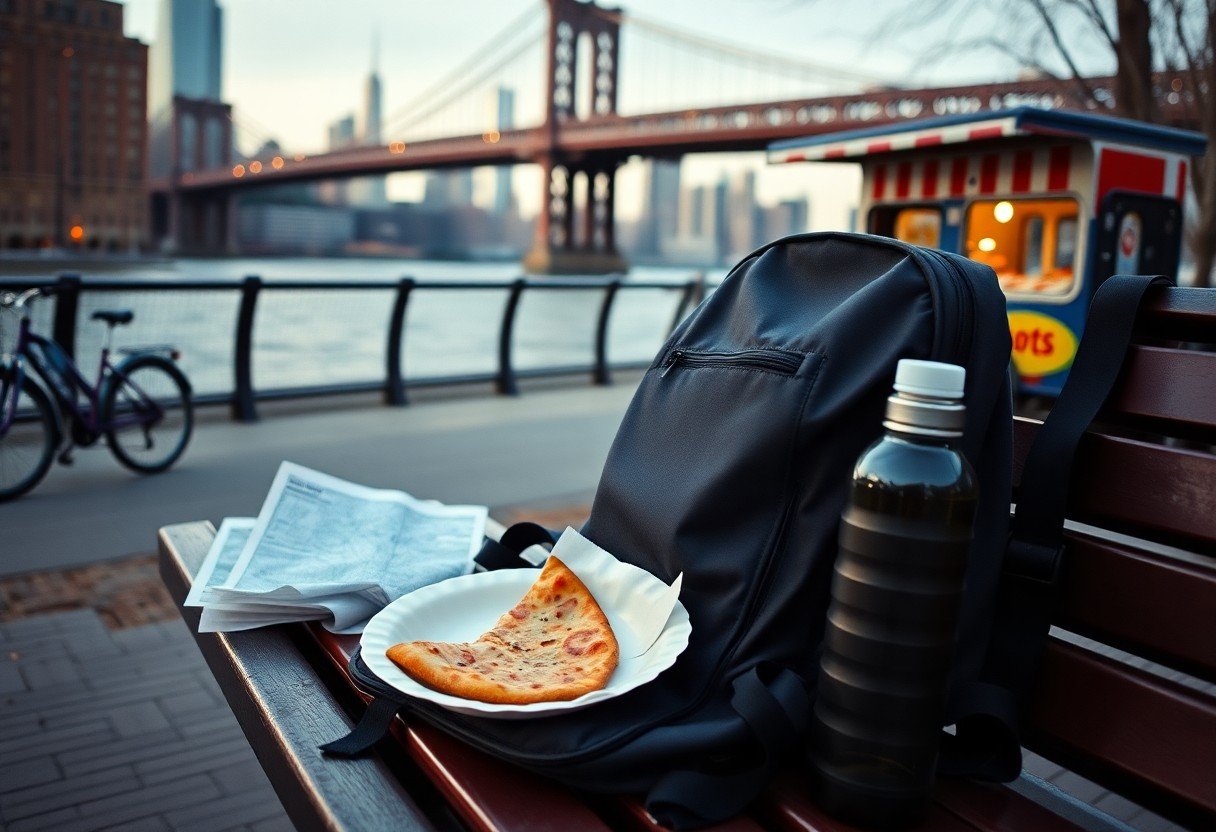
Budget travel in New York is possible when I guide you through free museums, subway and walking routes, low-cost eats, smart timing for shows, and neighborhood swaps so you get authentic experiences without breaking the bank; follow my step-by-step tips and you’ll stretch your dollars while seeing more of the city.
Free Attractions
I map out a day combining free highlights: the Staten Island Ferry (roughly 25 minutes each way) for Statue of Liberty views, the 1.1-mile Brooklyn Bridge walk into DUMBO, and the 1.45-mile High Line for elevated greenery and public art. I slip into Grand Central and the Rose Main Reading Room at the New York Public Library; each stop saves you $20-30 you’d otherwise spend on paid observatories.
Exploring Central Park
I spend mornings in Central Park’s 843 acres, starting at Bethesda Terrace and tackling the roughly 6-mile perimeter loop for varied views. You can photograph Belvedere Castle, pause at Strawberry Fields, and join Central Park Conservancy’s free guided walks (often 60-90 minutes) to learn design and history. I pack snacks and treat the park like a full-day, no-cost itinerary with seasonal performances and picnic-ready lawns.
Iconic Landmarks on a Budget
I prioritize free vantage points for famous sights: Battery Park and the Staten Island Ferry give Statue of Liberty views without a $20-25 island ticket, Brooklyn Heights Promenade and DUMBO deliver classic skyline shots, and Grand Central’s main concourse and the New York Public Library are free to enter. I often time visits at sunrise to avoid lines and skip pricey observation decks.
I exploit low-cost swaps: instead of paid observation decks (One World or Edge tickets often start around $40+), I shoot photos from Brooklyn Bridge Park, DUMBO, or the Brooklyn Heights Promenade. I ride the Roosevelt Island Tram for a single subway fare (about $2.90) for aerial views, and I visit the free 9/11 Memorial plaza at the twin reflecting pools while skipping the paid museum when I’m on a tight budget.

Affordable Dining Options
I cut food costs by targeting neighborhood spots and markets where locals eat: dollar-slice or $3-4 pizza joints, bodegas with $2-5 breakfast sandwiches, and food halls like Chelsea Market or Essex Market where you can fill up for $8-12. I also hit Smorgasburg on weekends-most vendors price items $5-10-so your daily food budget can stay under $30 without missing iconic NYC eats.
Best Budget-Friendly Restaurants
I rely on tried-and-true low-cost staples: Joe’s Pizza in Greenwich Village for a $3-4 slice, Mamoun’s Falafel in the East Village for $3-5 sandwiches, Xi’an Famous Foods where hand-pulled noodles run about $7-10, and Los Tacos No.1 in Chelsea Market for $4-7 tacos. I look up hours ahead-many are cash-friendly and have short lines early or late.
Street Food and Food Trucks
I use food trucks for quick, cheap meals: The Halal Guys plates historically run around $8-12, Wafels & Dinges waffles $4-6, and small taco or arepa trucks commonly charge $4-8. I follow trucks on Twitter/Instagram or apps like Roaming Hunger to find schedules, so you can time visits and avoid long waits.
I watch lines as a quality signal and prefer trucks with visible prep stations and clear pricing; that usually means faster service and fresher food. I carry small bills and a card reader on my phone since some trucks are cash-only while others accept cards. I’ve found most trucks operate 11am-3pm for lunch and reappear near nightlife spots after 8pm, making them ideal for budget weekday and late-night dining.
Public Transportation Tips
- Tap OMNY or use a MetroCard – single ride is $2.75 and transfers are included between subway and bus.
- Avoid packed commute windows (roughly 7-10am and 4:30-7pm) and use apps like CityMapper for live delays.
- Buy a 7-day unlimited for $34 if you’ll take more than 12 rides in a week to save money.
I use contactless OMNY for quick trips and switch to a 7‑day MetroCard when staying several days; you’ll see real savings after about a dozen rides. Assume that you plan routes to cluster attractions by neighborhood to minimize fares.
Navigating the Subway
I ride the subway 24/7 and rely on express versus local knowledge-express trains skip stops and can cut travel time by 20-40 minutes on long trips. When you’re hopping between boroughs, I check platform signs for trunk line colors (e.g., 2/3/4/5 on the east side) and open Google Maps or the MTA app for service changes and planned weekend work.
Discounted MetroCards
I use reduced-fare options when eligible: seniors 65+ and people with disabilities get a reduced fare of $1.35 per ride, and the Fair Fares program offers half-price MetroCards for low-income NYC residents. If you plan multiple days, the 7‑day unlimited ($34) still beats pay-per-ride for heavy use.
I applied for Fair Fares online through mta.info and uploaded proof of income; the reduced-fare MetroCard requires ID and documentation for age or disability. You can apply on the MTA website, by mail, or at a customer service center, and processing typically takes about 2-4 weeks-I found visiting a center can speed things up if you need a card faster.
City Passes and Discounts
I rely on bundled passes to shrink attraction costs and simplify planning: CityPASS often advertises savings up to 40% and is valid nine days after first use, the New York Pass covers 100+ attractions on consecutive-day plans, and the Explorer Pass lets you choose 2-10 attractions with longer validity. I match the pass to how many paid sites you’ll hit in a short span to make sure the pass price beats individual admissions.
Overview of City Pass Programs
I compare three main options: CityPASS (best for a fixed shortlist of top sites like Empire State and museums), New York Pass (good for unlimited entries across 100+ attractions on 1-10 consecutive days), and Explorer Pass (pick-your-number model, typically valid 60 days). I check what each pass actually includes-some list alternatives (Top of the Rock or Guggenheim)-so you don’t buy coverage for attractions you won’t visit.
How to Maximize Savings
I calculate a break-even: add the standard admission prices for your planned sites and compare to pass cost-if you’ll visit three flagship paid attractions in two days, a pass often pays off. I prioritize expensive entries like the Statue of Liberty ferry + museum or guided cruises, and I stack passes with free options (parks, free museum hours) to extend value.
I book timed-entry attractions in advance when the pass requires reservations, and I use mobile passes to avoid lines. I also look for promo codes, student or military discounts, and combo deals from official vendors; if your itinerary spans many paid sites on consecutive days, the New York Pass often outperforms pay-as-you-go, while Explorer suits slower-paced visits.
Free Events and Festivals
When I plan cheap NYC weekends, I prioritize free festivals like SummerStage in Central Park (dozens of concerts each summer), Lincoln Center Out of Doors, and the Public Theater’s Shakespeare in the Park, where free tickets are available via digital lottery or same-day standby. I also hit Bryant Park’s movie nights and seasonal markets for live performances and people-watching; you should track calendars and arrive early so your weekend feels like a festival without the expense.
Seasonal Activities
I chase seasonal freebies: Bryant Park’s Winter Village rink offers free entry if you bring your own skates, cherry blossom season in Central Park and Brooklyn Botanic Garden creates stunning photo walks, and summer street fairs serve live music and samples across neighborhoods. I also attend the West Indian Day Parade on Labor Day for spectacular costumes at no cost, and sometimes watch the Macy’s Thanksgiving Parade from a free curbside spot if I stake out a place early.
Cultural Events Worth Attending
I make time for cultural freebies like the Bronx Museum (always free), New York Public Library author talks and exhibitions, and Brooklyn Museum’s First Saturdays, which pair exhibits with DJs and panels. I treat these as prime opportunities to see major art and performances without a ticket price; you should sign up for limited-capacity nights and be prepared for popular slots to fill fast.
To maximize those cultural options, I subscribe to venue newsletters, follow key accounts (the Public Theater, Lincoln Center, Bronx Museum) and set Eventbrite filters to ‘free’ within a 5-mile radius. I enter digital lotteries for Shakespeare in the Park, arrive 2-3 hours early for standby lines when needed, and reserve free museum-night slots as soon as they drop so your plans don’t depend on last-minute luck.
Budget Shopping
When I’m trimming daily costs in New York I hit a mix of thrift shops, flea markets and bargain souvenir stalls to stretch your dollars; Beacon’s Closet, Housing Works and Buffalo Exchange regularly yield shirts for $5-$30 and vintage jackets for $30-$120. I plan weekends around open-air markets-Brooklyn Flea and Artists & Fleas often run 10am-5pm-and bring cash to negotiate. You should inspect seams, test zippers, and factor in subway fares so a $10 score doesn’t turn into a $20 haul.
Thrift Stores and Flea Markets
At thrift stores I scan for quality labels and fabrics, while at Brooklyn Flea, Chelsea and Artists & Fleas you can find vinyl for $5-$20 and one-off jewelry for $10-$50. I go early on Saturdays to snag rare finds, then circle back near closing to negotiate unsold items. You should check Housing Works for near-new designer pieces and Buffalo Exchange if you want to trade in clothes for instant store credit instead of cash.
Affordable Souvenir Shops
You can score postcards for $1-$3, magnets $3-$8 and t-shirts $10-$20 in Chinatown, Canal Street and dollar stores; I avoid Times Square kiosks for expensive mass-market items and instead browse neighborhood gift shops for better deals. You should compare a few stalls-street vendors often offer a small bundle discount if you buy 2-3 items at once.
I often buy multiples to lower per-item cost: asking for “three for $10” on magnets or postcards usually works, and many Chinatown shops will pack fragile items for free. I also check indie shops in Brooklyn for locally made prints-you’re paying $12-$20 for something unique versus $25+ in tourist zones-so I balance price with authenticity before I buy.
Final Words
So I’ve shared smart ways to experience New York on a budget-I scout free museums and parks, use off-peak subway and walking routes, hunt local eats and discounted shows, and rely on apps and city passes to cut costs and protect your budget; follow my tips and you’ll soak up the city’s energy without overspending.
