

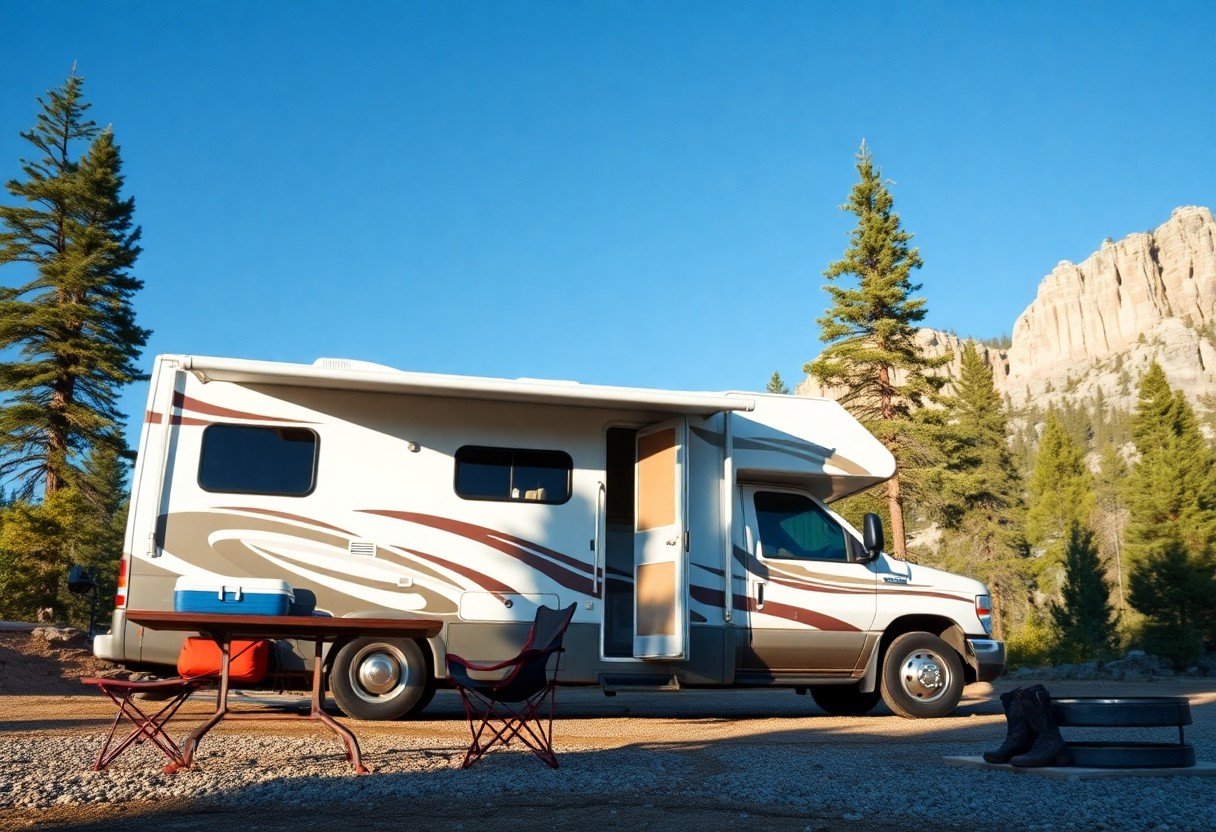
There’s a straightforward path to stress-free national park camping: I trust the Pleasure-Way Plateau TS for its compact layout, reliable systems, and nimble driving that lets you access remote sites with ease. I’ll walk you through practical features-sleeping comfort, kitchen functionality, storage solutions, and fuel efficiency-so you can plan smarter trips, protect your gear, and maximize time outdoors without sacrificing comfort or capability.
The Pleasure-Way Plateau TS: An Overview
I’ve used the Plateau TS on a 10-day, 1,200-mile national park loop and found it balances nimble driving with full-service living: it sleeps two, fits most campground sites without hassle, and stores a week’s worth of clothing and gear in dedicated cabinets and under-bed space. Its compact profile and efficient layout let you reach remote trailheads, while practical systems (kitchen, wet bath, climate control) keep you self-sufficient for multi-day stays.
Key Features and Benefits
I rely on the Plateau TS for features that matter on long park runs: a smart galley, a private wet bath, integrated heating/air options, and a configurable sleeping area. You’ll appreciate quick setup times, secure storage for bikes and packs, and systems designed for 2-3 days off-grid use without frequent hookups.
- Chassis and handling: compact Class B build that maneuvers tight roads and standard campsite pads with ease.
- Sleeping layout: a comfortable convertible bed that supports two adults and stows cleanly during the day.
- Galley functionality: stainless sink, reliable cooktop, and fridge sized for week-long park stays.
- Sanitation: full wet bath for showering and quick cleanups after hikes.
- Storage solutions: dedicated gear cabinets, under-bed storage, and exterior compartments for tents and chairs.
- Systems and power: shore power, inverter-ready setup, and space for solar expansion to extend boondocking time.
- Climate and insulation: effective heating and cooling choices that maintain comfort from high desert to alpine nights.
- Knowing how the layout reduces campsite setup time gives you more daylight for hiking and photography.
Design and Comfort for Campers
I value the interior ergonomics: counters sit at comfortable height, walkways remain clear, and lighting is layered for tasks or relaxation. You’ll notice supportive seating for hours of map study, dual-purpose surfaces for cooking or laptop work, and window placement that maximizes views while preserving privacy.
On longer trips I test usability: cabinet catches stay secure over rough forest roads, the bed mattress offers restorative sleep after long hikes, and ventilation prevents condensation during cold nights. I also track how easy maintenance is-hose access, cabinet lining, and service panels all speed campsite repairs-so you spend less time fiddling and more time on trails.
Choosing the Right National Park for Your Adventure
I weigh seasonality, elevation and access when I pick a park: Trail Ridge Road in Rocky Mountain tops out at 12,183 ft so I avoid it in early spring, while Great Smoky Mountains sees more than 12 million visitors annually and fills fast on summer weekends. I check permit rules, whether I need RV hookups or backcountry permits, and how your preferred activities – fishing, peak climbs, or scenic drives – align with park regulations and road status.
Top National Parks for Camping
Yellowstone delivers geothermal variety and extensive developed campgrounds; Yosemite demands advance reservations for valley sites and offers iconic granite camping; Glacier gives access to 700 miles of trails and remote alpine lakes; Grand Canyon provides rim camping plus shuttle access to trailheads; Great Smoky Mountains is unbeatable for family-friendly sites and abundant wildflower hikes. I match each park’s strengths to your timeline, rig size and the level of solitude you want.
Factors to Consider When Selecting a Park
I focus on season/weather, reservation windows, road and trail access, vehicle length limits, and wildlife restrictions: snow can keep roads closed through May, many campgrounds require bookings months ahead, and steep, narrow approaches rule out longer rigs. I also check cell coverage, nearest emergency services, and whether backcountry permits are required before I finalize plans.
- Season & weather patterns (e.g., Going-to-the-Sun Road often closes in winter)
- Reservation and permit windows – some sites open six months in advance
- Road and trail access for your Pleasure‑Way size and clearance
- Amenities: hookups, potable water, and dump stations if you need them
- After weighing these factors, I pick parks that align with my skill level and your trip goals.
I dig deeper into permits, crowding and access before I commit: Yosemite and some popular campgrounds require bookings well in advance, Glacier’s backcountry permits are limited, and I avoid steep park entrances with long rigs. I also factor ranger station hours, seasonal wildlife closures, and whether shuttle systems will affect your daily plans.
- Permit specifics: backcountry quotas and trailhead limitations
- Crowd metrics: weekday vs. weekend occupancy rates and busiest months
- Access logistics: shuttle schedules, parking size limits, and road grades
- Safety: bear protocols, avalanche season windows, and ranger presence
- After checking these details, I finalize campsite, alternate nights, and contingency routes.
Setting Up Camp with the Pleasure-Way Plateau TS
I park, set wheel chocks and leveling ramps, and get systems online quickly: within about 8-12 minutes I’ve hooked shore power, flipped the inverter and water pump, rolled out the awning, and set the entry step and table. That routine gets the galley, fridge and seating ready so you can cook or relax almost immediately after arrival.
Efficient Setup and Breakdown
I follow the same checklist every time to save steps: square the van, deploy two ramps (under 5 minutes), plug the shore cord (15-30A depending on site), turn on refrigeration, then unfurl the awning and place two folding chairs. Breakdown reverses that sequence; I reel the power cord and stow chairs in dedicated bins to cut teardown to roughly the same time.
Maximizing Space and Storage
I divide storage into three zones-galley, sleeping, utility-and use purpose-built containers: overheads for dishes, a soft bin under the bench for clothes, and a shallow drawer for cooking gear. Labels and clear bins mean you can grab a pan or sunscreen in seconds without unpacking the whole van.
To gain more capacity I use vacuum bags for off-season clothes, stackable clear containers for pantry staples, and magnetic spice tins on the fridge door. I also keep heavier items low and centered-between the axles-to preserve handling, and hang a mesh organizer behind the door for flashlights, cords and small tools so you don’t rummage during a campground night.
Essential Camping Gear for Your Trip
I pack gear that covers shelter, sleep, cooking and power: a 3‑season 2‑person tent (or the Plateau TS layout), a 20°F synthetic sleeping bag, R‑value 4+ sleeping pad, Jetboil or MSR PocketRocket stove, and a 500Wh power station with 200W portable solar. I also carry 3 gallons (11.4 L) of water per two days for a pair; that baseline keeps you flexible at most trailheads and campsites.
Must-Have Equipment
I separate must-haves into shelter, sleep, cook, navigation, and power. I bring a 300‑lumen headlamp with spare batteries, a Sawyer Squeeze 0.1 μm water filter, compact cookware, and a multi‑fuel stove. I include a 30‑amp adapter, 50‑ft shore cable, leveling blocks, wheel chocks, and a 25‑ft potable water hose for RV hookups so you’re ready at paved sites and primitive lots alike.
Safety and Health Essentials
I carry a first‑aid kit with SAM splint, hemostatic dressing, blister supplies, adhesive bandages, tweezers, and personal prescriptions, plus an epinephrine auto‑injector if needed. I pack sunscreen SPF 30+, DEET 20-30% repellent, a Garmin inReach Mini for two‑way satellite messaging (≈90‑hour battery at 10‑min tracking), and a 9.2 oz bear spray effective to about 30 ft; several parks require bear‑resistant canisters for overnight stays.
I emphasize practical skills alongside gear: I know how to apply a SAM splint, perform basic CPR, and send coordinates with my inReach if you’re injured. I store meds in waterproof cases, label dosages, note allergies for trip partners, and run a 5‑minute kit check plus a stove test before departure-those quick drills prevent most roadside or campsite failures I’ve seen.
Navigating the Great Outdoors
I plan routes so your Plateau TS handles everything from paved parkways to maintained gravel spurs; many national park lanes are 10-12 feet wide and campground length limits typically range 20-30 feet, so the Plateau’s compact footprint keeps more options open. I also factor elevation-higher altitude can reduce MPG by 10-20%-and schedule fuel stops every 200-250 miles. When cell signal fades I rely on offline maps, paper charts, and ranger-station notices for closures and conditions.
Routes and Trails Accessible with the Plateau TS
I stick to paved park roads, scenic byways, and well-graded forest service spurs that accept vehicles under roughly 25 feet and grades below about 10%. The Plateau TS handled a 12-mile gravel approach to a canyon trailhead I used last season without issue. You should avoid unimproved single-track routes and high-clearance-only roads; if a sign posts “high-clearance vehicles only,” I treat that as a definitive no-go for campervans.
Respecting Nature and Park Guidelines
I follow the seven Leave No Trace principles and expect you to do the same when traveling with the Plateau TS. I camp at established sites, keep at least 200 feet from lakes and streams, and use park-provided bear lockers or hard-sided storage for food in areas that require it-Yellowstone and Yosemite enforce strict food-storage rules. Quiet hours and generator limits are common, so I check official park regulations before arrival and plan accordingly.
I also manage graywater and solid waste responsibly: I use onboard holding tanks and empty only at designated dump stations, strain and pack out food particles, and avoid dispersing dishwater near trails or water. Fire restrictions change quickly-if fires are allowed I use existing rings, keep flames low, and monitor local burn bans via NPS or forest-service alerts. For backcountry trips I obtain permits in advance, carry bear canisters in bear country, and respect group-size limits (often 6-12 people) posted on permit pages.
Tips for an Enjoyable Camping Experience
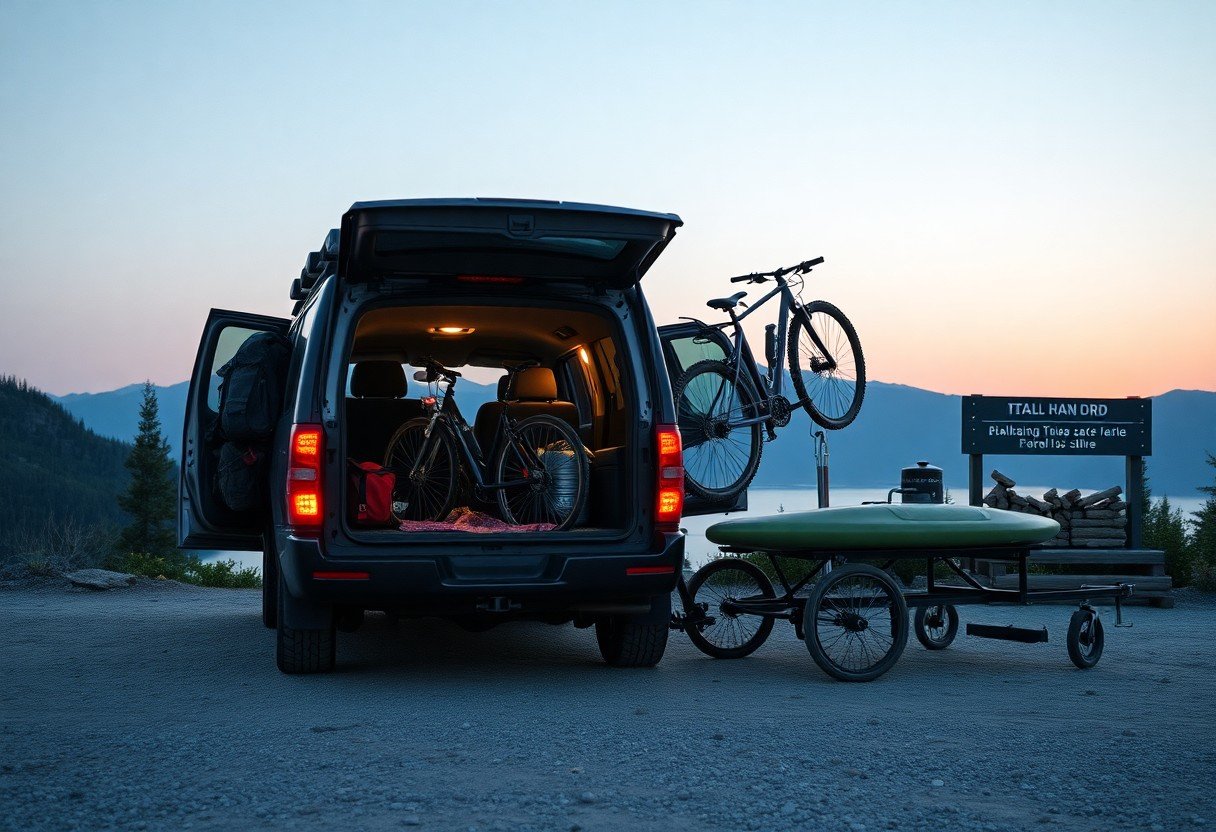
I plan for comfort with specific habits: reserve sites 6-12 months ahead for parks like Yosemite or Glacier, carry 3 L of water per person/day, and pack a 200-lumen headlamp plus a 20°F sleeping bag.
- Use bear canisters in bear country
- Observe quiet hours, usually 10 p.m.-6 a.m.
- Pack out all trash and leftover food
Perceiving small choices like site selection and food storage makes the difference between stress and effortless enjoyment.
Planning Your Itinerary
I map each day by distance and elevation: I limit drives to 1-2 hours and day hikes to about 8 miles with ≤1,500 ft gain when camping with family, factor campsite check-in times (2-4 p.m.), and check shuttle schedules; for backcountry trips I secure permits 3-6 months ahead in busy parks and build a flexible rest day to absorb weather shifts or unexpected wildlife sightings.
Engaging with Nature and Fellow Campers
I seek connection by joining ranger talks and guided hikes, carrying 8×42 binoculars for dawn birding, and keeping voices low after 10 p.m.; I follow any two-hour campfire windows and offer to share small gear or meals-those exchanges often yield the best route beta and local tips.
I deepen those connections with quick skill swaps-I’ll teach tent pitching in 10 minutes and learn knotwork or fire-cooking from others-while choosing camps with 50-200 sites to find quieter loops, washing 200 ft from streams with biodegradable soap, and using bear canisters; trading a hot meal or a mapped shortcut has turned strangers into reliable trip partners on several of my multi-day trips.
To wrap up
Hence I find the Pleasure-Way Plateau TS makes national park camping straightforward: its compact size, reliable systems, and thoughtful storage let me navigate narrow roads and set up quickly, while comfortable sleeping, cooking amenities, and durable construction keep you self-sufficient and safe; if you want a capable, low-maintenance travel companion that respects park limits and enhances your time outdoors, this rig delivers.
