

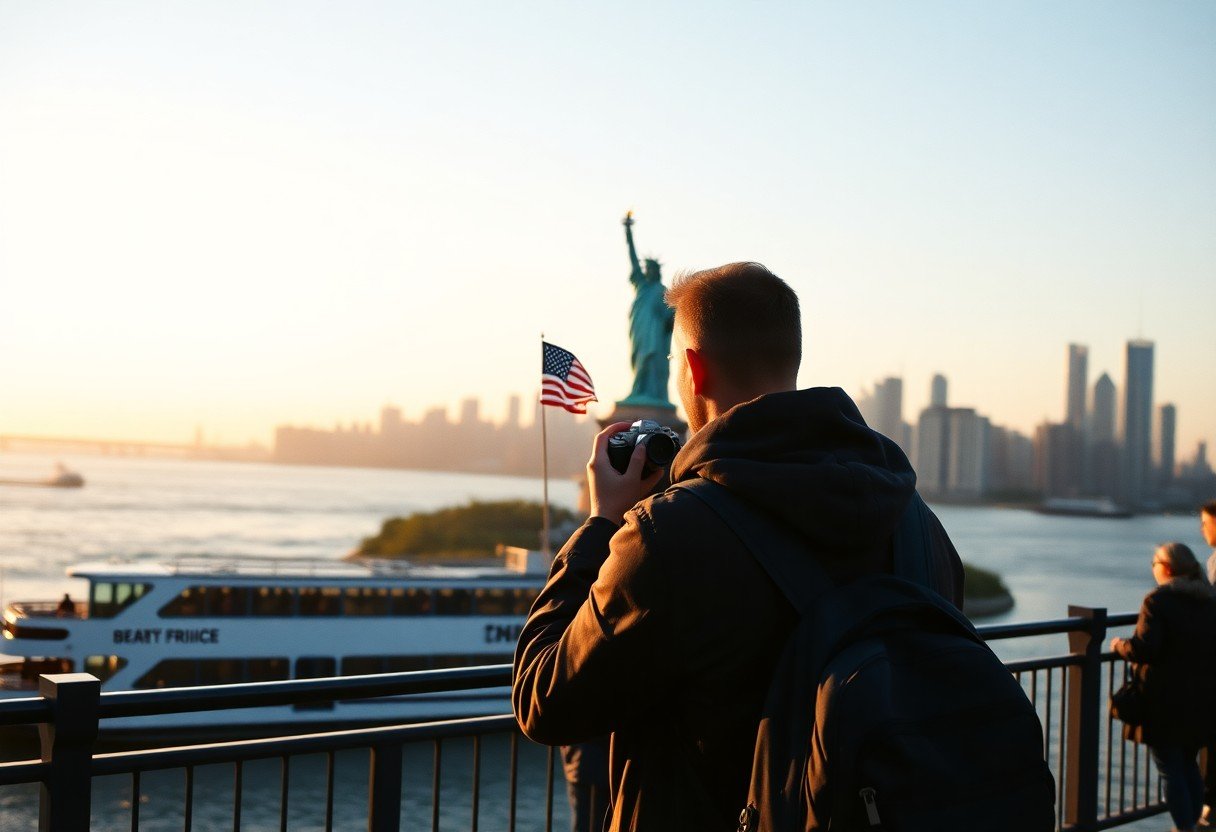
Most trips to the Statue of Liberty combine clear historical context and practical logistics; when I reached the pedestal I felt I had made it, and I can guide you through the best viewing spots, optimal times, and what to expect so your visit matches mine.
Anticipation of the Visit
My excitement tightened as the day approached: I had booked ferry tickets eight weeks ahead, penciled in a two- to three-hour visit, and checked the 10-day forecast to time clear skies for photos. I pictured the 305-foot silhouette against blue, rehearsed where I’d stand for the best shot, and mentally prepared for the 354 steps to the crown in case I secured a slot-small logistics that turned expectation into focused planning and made the visit feel like a milestone I was finally about to hit.
Planning the Trip
I compared departures from Battery Park and Liberty State Park, chose the 9:30 a.m. ferry to avoid peak crowds, and booked Statue Cruises tickets online to guarantee pedestal access. I factored in arriving 45 minutes early for TSA-style security screening, packed a compact daypack and refillable water bottle, and downloaded the National Park Service app for maps and guided-tour times so your on-island schedule stays efficient and calm.
Journey to Liberty Island
The ferry ride lasted about 15 minutes and immediately shifted my perspective: Manhattan receded while the statue grew, and Ellis Island drifted by with its red-brick hospital buildings visible to the left. I chose the starboard side for photos of Lady Liberty and the skyline, felt the wind from Upper New York Bay, and used the on-board narration to catch historical details I’d missed during planning.
During boarding the crew checks tickets and ID, security typically takes 10-20 minutes depending on line length, and once underway the ferry circles to offer multiple photo angles-plan to switch sides mid-ride if you want both close-ups of the statue and sweeping skyline shots. The dock on Liberty Island places you near the pedestal steps; allow at least 90 minutes on the island to visit the museum, climb to the pedestal, and walk the grounds, since guided tours and audio programs add helpful context to what you see from the water.
First Impressions
I stepped off the ferry and felt the statue’s 305-foot silhouette condense decades of ambition into a single, towering presence; the copper-green patina gleamed against the sky. I noticed how the 111-foot figure sits atop a 154-foot pedestal, making the whole monument 305 feet tall, and how visitors clustered to frame the torch and crown for photos. I felt both small and triumphant standing so close to an 1886 icon.
Arrival at the Statue
I boarded the Statue Cruises ferry from Battery Park and reached Liberty Island in about 15 minutes; departures also run from Liberty State Park. I passed through TSA-style security before boarding, which moved quickly if you avoid backpacks at peak hours. I scheduled my trip to miss the noon rush; you can time the first ferry to avoid crowds and enjoy uninterrupted views highlighted by the onboard narration of Governors Island and the Manhattan skyline.
Exploring the Grounds
I walked Fort Wood’s star-shaped base and climbed onto the pedestal plaza to view the 111-foot figure up close; the pedestal houses the museum with exhibits on the 1886 dedication. I noted the exhibit panel showing the 162 steps from the pedestal to the crown, used the viewing platforms to photograph Manhattan and Ellis Island, and listened as a docent pointed out design details like the broken chains at her feet.
I spent an extra hour inside the museum reading artifacts and learned that Ellis Island processed over 12 million immigrants from 1892 to 1954, which sharpened the statue’s symbolic weight. I checked crown access at the ticket counter and found crown tickets sell out months in advance; the pedestal displays, Bartholdi sketches, and audio tour provided the documentary context that made the visit both visual and deeply informative for your next visit planning.
The Statue Experience
Ascending the island felt different once I tracked the numbers: 305 feet (93 m) to the torch and a tight spiral to the crown. I noticed timed-entry rhythms, security checkpoints, and the steady flow of guided groups; your patience pays off as you move through service corridors and see riveted copper panels up close. By the time I reached the pedestal landing I felt the climb had transformed from a tour into a personal milestone.
Climbing to the Crown
The spiral to the crown is 162 steps from the pedestal, narrow and steep, so I paused on landings while groups shuffled past. You encounter exposed ironwork and maintenance hatches that reveal the statue’s internal skeleton, and the staircase can feel humid and warm on busy days. I took about 15 minutes including short rests; once inside the crown the cramped platform rewards your effort with an intimate, vertical perspective.
Views from the Top
From the crown the panes frame Lower Manhattan to the north, Ellis Island and Jersey to the west, and busy shipping channels below; I counted a dozen ferries and tugboats that afternoon. Your photos capture both sweeping skylines and tiny human figures on Battery Park, and the patina on the copper panels becomes a textured foreground against distant skyscrapers, which made my accomplishment feel vivid and undeniable.
Wind gusts through the crown more than you expect, so I kept my jacket on and steadied my camera; a wide-angle lens worked best to include harbor, skyline, and the statue’s own interior ribs. You should plan for short, photo-friendly windows-crowd flow means 10-15 minutes of unimpeded viewing at peak times-so I prioritized shots and took mental notes of sightlines for a longer return visit.
Historical Significance
Built as a gift from France and dedicated on October 28, 1886, the Statue of Liberty-designed by Frédéric Auguste Bartholdi with Gustave Eiffel’s structural engineering-stands 305 feet from ground to torch. I see it as a marker of migration: roughly 12 million immigrants passed through nearby Ellis Island between 1892 and 1954, often glimpsing this monument first. Designated a national monument in 1924, it still draws about 4.5 million visitors annually pre-pandemic, anchoring national memory and civic rituals.
The Statue’s Symbolism
I noticed the crown’s seven rays representing the seven continents and seas, and the tablet marked JULY IV MDCCLXXVI that ties liberty to American independence. The torch, rebuilt and replaced in 1986, keeps the idea of enlightenment visible from Manhattan and New Jersey. I also looked for the broken shackles at her feet-an explicit nod to emancipation-and traced the green patina that took roughly 20-30 years to form on the original copper skin.
Personal Reflections on Freedom
Climbing toward the crown-354 steps from the base-I felt the scale of liberty: 305 feet tall, visible from ferries and skylines, yet intimate when you stand beneath her torch. I thought of the 12 million immigrants who first glimpsed her and of how you and I carry our own milestones; when I reached the viewing platform, the Manhattan skyline and the harbor made me feel I’d truly “made it.” That view converted history into a private, tangible claim on freedom.
I spent time in the Statue of Liberty Museum, opened in 2019, where the original torch and interactive exhibits tied personal stories-like Emma Lazarus’s 1883 sonnet, placed on a bronze plaque in the pedestal in 1903-to larger migration trends: about 12 million people processed at Ellis Island from 1892-1954. Reading those lines aloud made me connect my own journey to others’ arrivals, and the museum’s artifacts turned abstract ideals into specific faces, dates, and choices that grounded my sense of having “made it.”

Visitor Experience
On arrival the ferry from Battery Park took about 15 minutes across the harbor, and I found security screening thorough but efficient; plan for roughly 2-3 hours to see the main sites. I walked the plaza, used the audio guide, and visited the museum-your pace will determine whether you linger in exhibits or rush to the pedestal. Accessibility ramps and timed-entry help manage crowds, and I appreciated clear signage, helpful rangers, and a compact gift shop for quick souvenirs.
Tours and Exhibits
I joined the audio tour and a ranger talk, then explored the Statue of Liberty Museum that opened in 2019 and houses the original torch. The exhibits use interactive displays and archival photos to trace the statue’s design and construction; I studied models showing Gustave Eiffel’s internal framework. If you want the crown, book well in advance: access requires climbing 354 steps from the pedestal and tickets sell out frequently.
Memorable Moments
Climbing the 354 steps to the crown was my standout moment-peering through the small crown windows I saw Ellis Island and Manhattan framed like postcards, and the wind slapped my face at roughly 305 feet above ground. I felt a genuine sense of arrival as city blocks shrank below; your legs will burn, but the panorama and quiet inside the crown make the effort feel worth every step.
The spiral stair is narrow and steep, so the ascent took me about 20-30 minutes round trip including stops to catch my breath and take photos through the small porthole-like windows; crowds are limited up there, which preserves the intimacy. I advise wearing sturdy shoes, carrying water, and checking crown-ticket availability before you go, because capacity is capped and visits can be scheduled only at specific times.
Lessons Learned
Booking crown or pedestal access well in advance matters: I learned the 354-step climb and limited daily crown tickets mean demand outstrips supply, so I reserved 3 months ahead. Timing your ferry is practical-early morning ferries take about 15 minutes and cut wait times by half. Comfort matters: sturdy shoes and a light pack transformed a strenuous visit into a focused, memorable experience that reinforced planning over spontaneity and made your visit smoother.
Overcoming Challenges
Security lines and crowded platforms tested my patience, but I avoided peak midday crowds by catching the first ferry and saved roughly 45 minutes of waiting. Narrow stairwells to the crown required steady breathing and careful footwork; I took breaks every 50 steps and used a small water bottle to stay hydrated. Adapting my pace and packing light turned logistical hurdles into manageable milestones and showed how small choices can improve your trip.
The Impact of the Experience
Standing near the 305-foot monument and looking through the crown’s 25 windows shifted my priorities: I felt tangible achievement and a renewed commitment to long-term goals, recalling the statue’s 1886 dedication and Bartholdi’s design. The panoramic view of Manhattan and Ellis Island compressed history and personal ambition into one moment, prompting me to approach projects with the same deliberate preparation I used for this visit and suggesting tactics you can borrow.
Beyond emotion, the visit produced concrete outcomes: I documented the trip with 120 photos, organized a photo talk for 20 friends, and joined a local history group to study Ellis Island records. Those actions turned inspiration into measurable steps-converting a single visit into ongoing habits that support both personal growth and community engagement, and giving you clear examples to emulate.
Summing up
Now that I have stood before the Statue of Liberty, I can confidently say I have made it; the view, the history, and the scale affirmed my achievement and shifted my perspective. I urge you to see it yourself so your own sense of accomplishment and understanding of its symbolism can deepen.
