

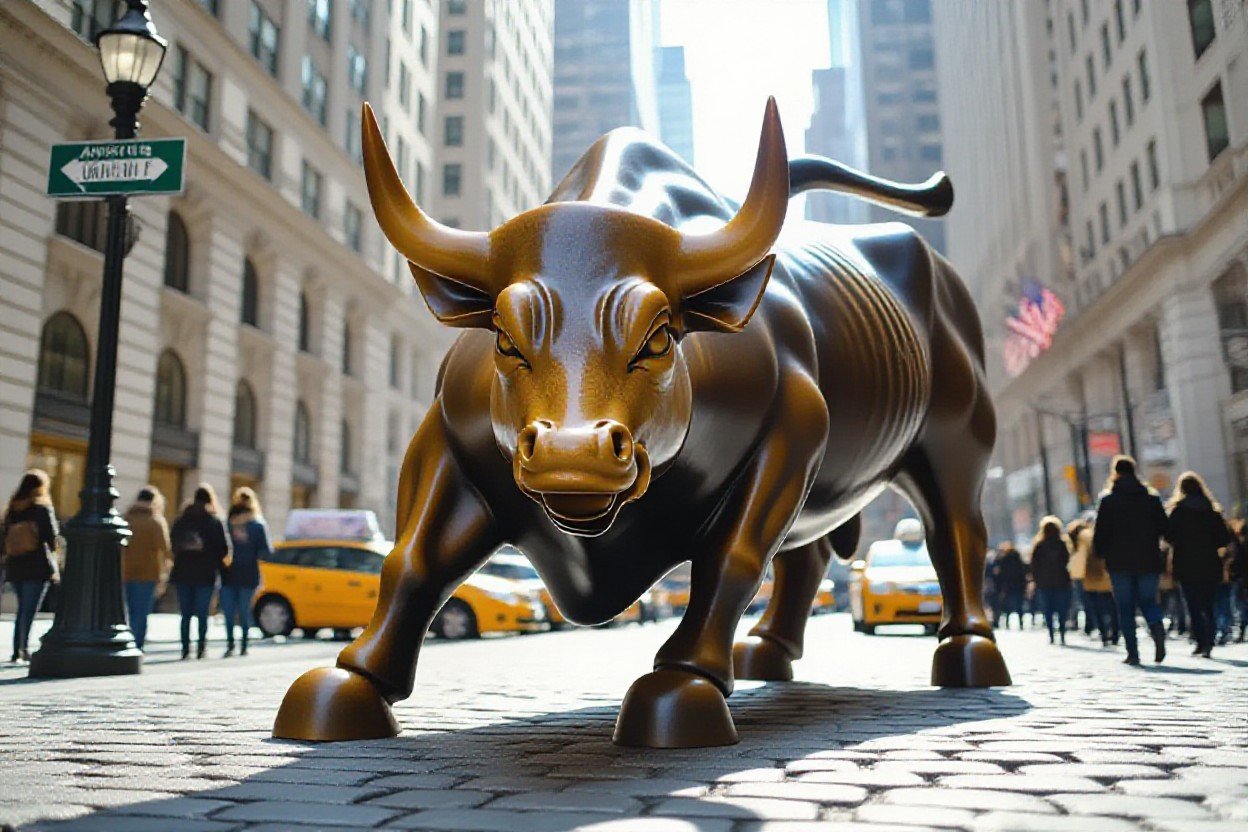
With its bronze mass anchored at Bowling Green since 1989, the Charging Bull condenses Wall Street’s bullish ethos into a public symbol you encounter as both tourist attraction and political flashpoint; understanding its creation, legal status, and contested meanings sharpens your grasp of how art, commerce, and civic space intersect in the financial district.
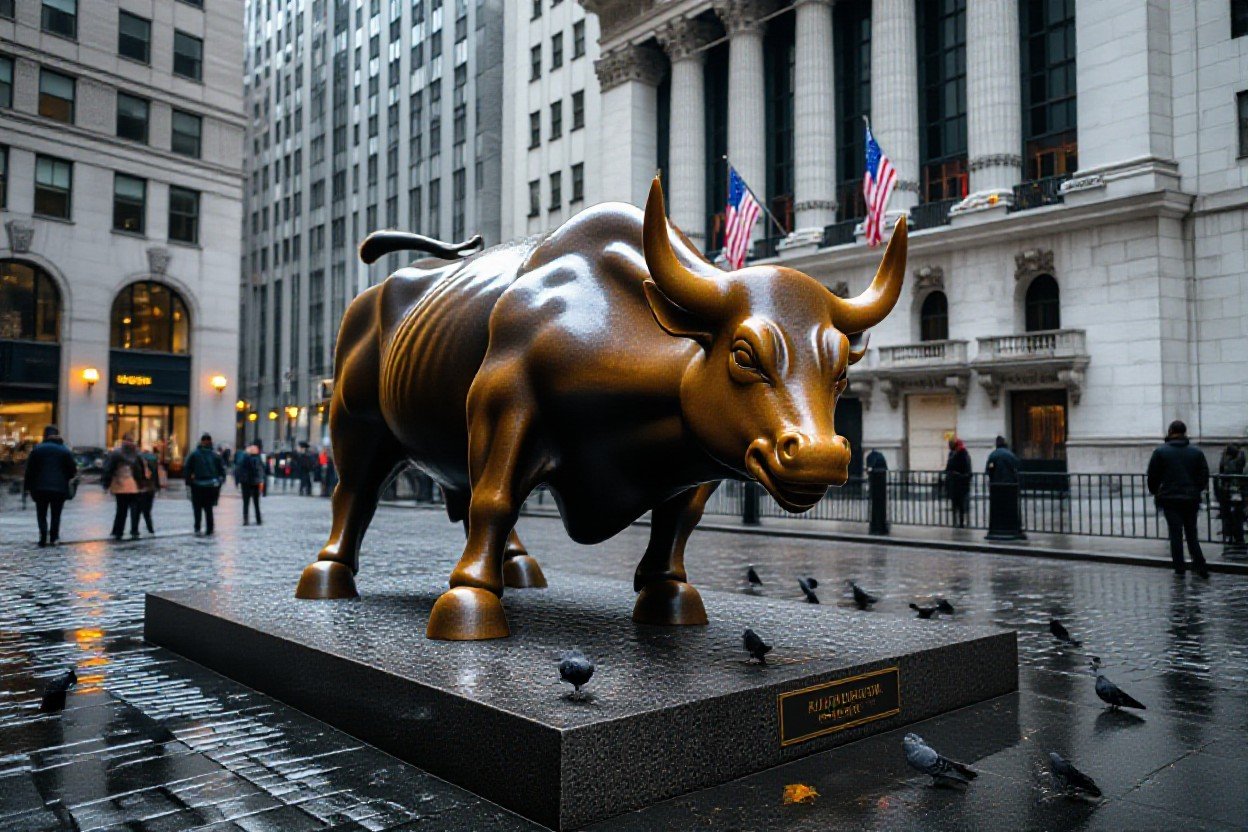
The History of the Charging Bull
Origin and Creation
Arturo Di Modica sculpted and privately funded the bronze after the 1987 crash, investing roughly $350,000 to cast a 7,100-pound, 11-foot-tall, 16-foot-long bull. You can track its guerrilla installation outside the New York Stock Exchange on December 15, 1989; officials removed it and, five days later, relocated the piece to Bowling Green, where you encounter the charging pose designed to symbolize market resilience.
Cultural Impact
The bull became a global emblem of market confidence and aggressive capitalism, drawing hundreds of thousands of visitors annually and appearing in films, ads, and news coverage. You’ll notice it adapted by both marketers and activists: Occupy Wall Street in 2011 repurposed its image to critique excess, and the 2017 placement of the “Fearless Girl” facing the bull ignited an international debate about meaning and public art.
Beyond selfies and souvenirs, the sculpture has generated legal and artistic disputes you can study: “Fearless Girl,” installed March 7, 2017 by State Street Global Advisors, led Di Modica to argue the new piece changed his intent and provoked media scrutiny. You also see the bull in corporate branding and as the backdrop for demonstrations and campaigns addressing finance, regulation, and inequality.
Symbolism of the Bull
When you stand before the Charging Bull its 11-foot bronze form-sculpted by Arturo Di Modica in 1989 and weighing roughly 7,100 pounds-compresses market history into a single image; you see a response to the 1987 crash, a public emblem of momentum and resilience, and a visual shorthand investors use to frame rallies, sentiment shifts, and the psychology that drives market moves you follow every day.
Strength and Prosperity
Through its forward-leaning pose the bull projects strength and prosperity you associate with rising markets; the term “bull market” is commonly applied to rallies of 20% or more, and examples like the sustained gains in FAANG stocks during past cycles show how investor confidence can translate into billions in market-cap growth that influence your portfolio choices.
Significance in Finance
When you hear about a bull phase it signals behavior change across markets: IPOs pick up, retail participation increases, and leverage often rises, so your risk management must adapt to higher valuations and more crowded positioning as momentum amplifies both gains and volatility.
During the March 2009-February 2020 bull you would have seen the S&P 500 climb roughly 400%, which demonstrates how extended optimism can elevate broad indexes, spur IPO and SPAC activity, and expand margin usage; you should therefore track valuation metrics and drawdown risk because prolonged uptrends can leave your allocations exposed when sentiment reverses.
The Charging Bull as a Tourist Attraction
Installed in 1989 by Arturo Di Modica, the 7,100-pound bronze bull (about 11 feet tall and 16 feet long) sits near Bowling Green and draws millions of visitors each year; when you arrive you’ll join a steady stream of sightseers, guided tours, and street vendors, so plan your timing to avoid peak summer weekends and aim for early morning to get clearer photos and a quieter view.
Why So Many Tourists Are Taking Pictures
Social media drives much of the photography: you pose for selfies, squeeze into group shots, and share a symbol of Wall Street power with followers. Photographers often wait up to an hour on busy days for an unobstructed frame, while tourists rub the bull’s horns and testicles for luck-an enduring ritual that makes for both candid and staged images that travel fast across Instagram and travel blogs.
Being Part of a Culture or Generation
Besides tourism, you engage with the bull as a cultural token: more than 35 years after its pop-up installation, generations treat it as a rite of passage-students on school trips, finance interns filming TikToks, and older visitors comparing decades of photos. Souvenirs, guided walking tours, and local storytellers reinforce your sense of joining a broader, ongoing narrative about capitalism and public art.
Concrete examples show this dynamic: the arrival of Fearless Girl in March 2017 transformed visits into dialogues about gender and markets, and many tour operators added stops focused on that moment. When you study visitor patterns, you see spikes around media events, movie shoots, and holidays, demonstrating how cultural moments amplify your impulse to take part and to document it.
The Bull in Contemporary Society
You pass the 11-foot, 16-foot-long, 7,100-pound bronze Charging Bull Arturo Di Modica clandestinely placed outside the NYSE on December 15, 1989; it now anchors protests, brand shoots, and civic campaigns. For example, Kristen Visbal’s Fearless Girl, commissioned by State Street Global Advisors and installed March 7, 2017, reframed the bull’s symbolism, shifting public conversations about market power and gender representation that you encounter in news and commentary.
Representation in Art and Media
Across films, ads, and network broadcasts you see the bull used as shorthand for market vigor: it appears in establishing shots on CNBC and Bloomberg, anchors stock-market montages in documentaries, and inspires photographers and street artists who mount reinterpretations around Manhattan. Museums cite it in exhibitions on public sculpture, while editorial illustrators deploy its silhouette to visualize volatility and investor sentiment in print and digital outlets you read.
The Bull as a Social Media Icon
You’ll watch tourists queue for selfies, influencers stage branded shoots, and activists use the bull as a backdrop for hashtag campaigns; engagement surged after Fearless Girl’s 2017 placement. Instagram and TikTok clips regularly amass tens of thousands of views, turning the sculpture into user-generated content gold and pushing its image into travel feeds, merchandise, and viral threads that extend its influence far beyond Bowling Green.
You can track how brands and advocates monetize that attention: State Street’s campaign used Fearless Girl to promote gender-diverse leadership, while travel accounts tag #ChargingBull to boost reach and follower counts. Influencer collaborations often repurpose your snapshot into sponsored posts, and platform algorithms then prioritize recurring motifs-bronze horns, stock-ticker overlays, and location tags-so the bull’s cultural meaning is increasingly shaped by your collective online behavior.
Conclusion
With these considerations, you should view the Charging Bull as both a symbol of market optimism and a prompt to assess risk; it reminds you that confidence and volatility coexist, that public art shapes financial narratives, and that your reactions influence market perception. As an observer or participant, you can use its history and location to inform how you interpret market sentiment and cultural messaging.
